Staying Present (With Grief)
July 26, 2026
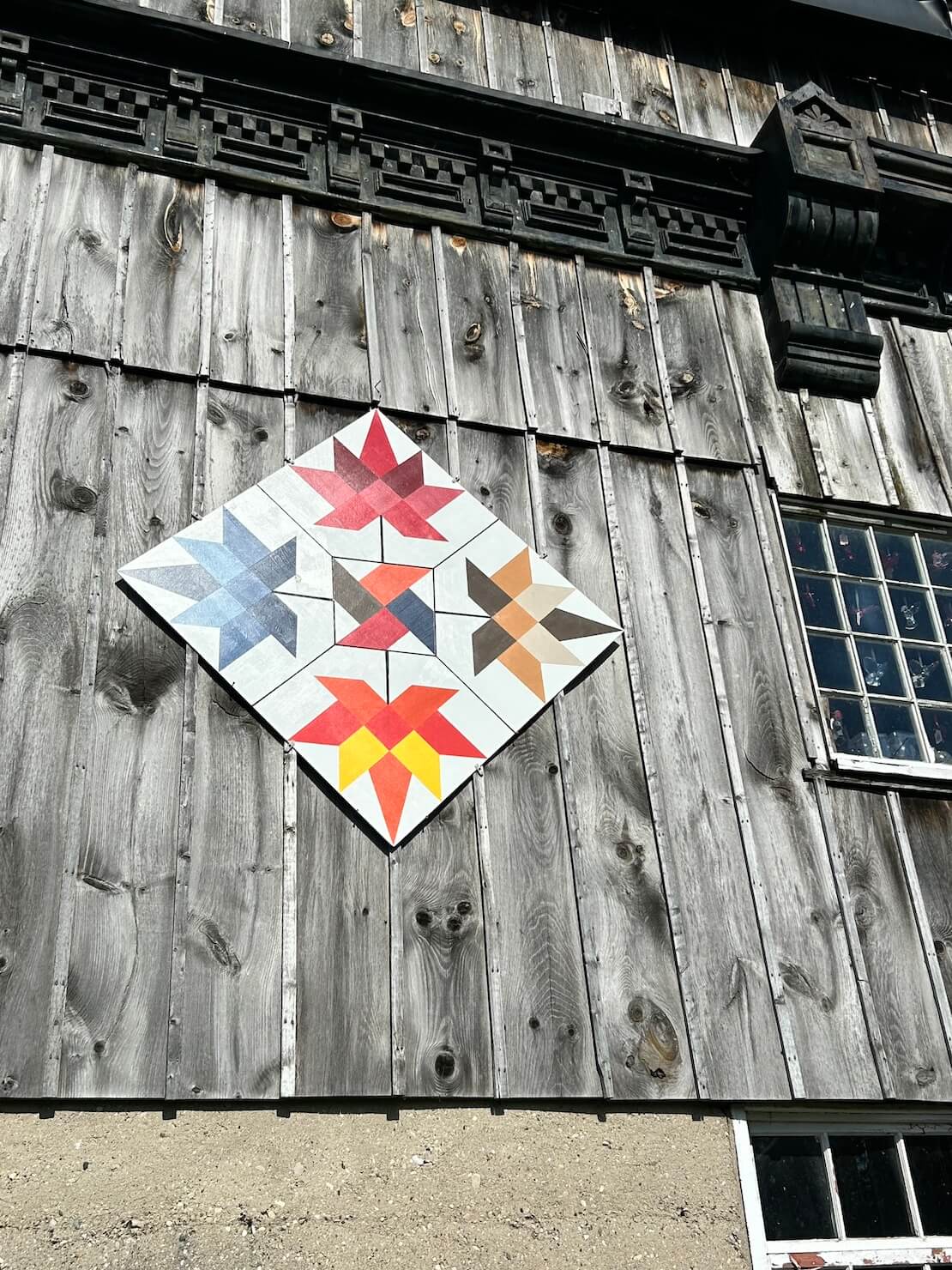
It can be tempting to push away strong emotions, but by gently staying present with them, you can begin to see their impermanence.
I’m learning to stop. Slow down. Notice.
To stay with the present moment, even when my whole body fights to get away from it, when it cries out to be in some other place. Anywhere else would do, as long as what I’m feeling is nowhere in sight.
Staying present is something I thought I would have figured out by this stage of my life. Especially with decades of practice doing yoga and meditation, including teaching others to do the same.
But the urge to move away from strong emotions and feelings is still strong within me. When these arise, I often feel the impulse to rush toward the next thing, to stay busy, to start new projects, to embark on grand adventures, to learn how to sail so I can cross the ocean and never look back.
Even my meditation practice has been, at times, a way to avoid the present.
Watch my breath. In out in out in out in out. Repeat. Again. Longer and longer. Keep coming back to my breath. Push harder. Ten minutes. Twenty. An hour. A whole day. An entire weekend.
Through all of this, feelings and emotions still course throughout my body. I just pretend not to notice them. Early on, meditation had become a form of dissociation, something I’d excelled at since I was a child. Meditation, though, was a socially acceptable way to stay disconnected from my body.
Falling apart completely
Unsurprisingly, the feelings and emotions I tried to avoid while on my meditation cushion—and in the rest of my life—didn’t go away. They continued to bubble beneath the surface of my consciousness. As they tried to force their way out into the open, I pushed them further out of sight by doing more yoga and meditation. Sometimes I could just will them away, which itself was just an illusion.
As these repressed feelings and emotions became stronger, vying more each day for my attention, I fell into doing other things—exercising more, working harder, staying busier during my free time, binge watching shows, even binging and restricting food.
This running away went on for years. It might have kept going for another few decades.
But then my life fell apart. Completely.
Over the span of a few years, multiple losses piled up one after the other, and I sank deeper into darkness. Until one day everything crumbled around me. On a warm mid-September morning in rural Ontario, I found myself standing in the center of a blast zone with all the pieces of my life scattered around me. In the span of a few words, I had lost everyone and everything I loved.
All that was left was my grief, intense and raw, spilling out of my broken heart to engulf me.
Waking to the present
For months, I was barely functional, struggling to get out of bed or work or eat. I cried uncontrollably for weeks—in the shower, on the floor, while making dinner, at the grocery story, while crossing the border back into Canada, in my therapy sessions.
Eventually, the tears subsided, but the grief remained. Still intense. Still overwhelming. My heart and soul ached with the losses I’d experienced over the past few years.
No matter what I did, I couldn’t escape the grief.
This is what saved me. This is what brought me back from the edge.
In Japanese Zen Buddhism, a monk will sometimes tap a practitioner on the shoulder or back during meditation practice, or Zazen. This stick is called “Kyosaku,”an abbreviation of “Keikakusakurei,” meaning “to awaken and encourage.” The stick is used when practitioners feel drowsy, have poor posture, or lack mental composure. The shock of being hit with a stick brings them back to the present moment.
My grief was the same. For months, grief kept me tethered to the present. It still does, bringing me back to now when I least expect it, which is when I most need the reminder.
This has become my personal practice, noticing the grief when it makes itself known in my soul. Staying with it, even if it is so intense that I can only lightly touch the edges of my pain.
Staying present with grief
Over time, with the help of my somatic therapists, I have become better at staying present with not only my grief, but also other feelings and emotions. I have learned to stop what I am doing when they arise. To hold them gently. To stay present with them, no matter how intense.
When I listen to psychologist and Buddhist teacher Tara Brach lead meditations, she often guides students to notice the feelings and sensations in their body. This is not what I learned during my early days of meditation classes, where the focus was on noticing and staying with the breath. Which for me, meant ignoring the rest of my body.
So now when I meditate, I notice not only my breath, but also the other sensations arising in my body. The challenge for me has been to not get swept away by strong emotions, especially grief, which I still feel intensely, even months later.
Practicing mindfulness has helped me shift my relationship with the sensations, thoughts, and impulses that arise in my body. By staying present with them and watching them change, I can see that they are not permanent. Like everything in this world, they are in flux. This creates more “space” between me and those sensations.
Finding space from overwhelm
Recently I learned a meditation that helps me when I get overwhelmed. It starts off with noticing the overwhelm. You could replace overwhelm with any strong emotion, like angry, afraid, or sad. Repeat each phrase to yourself, out loud if it is supportive. Notice what comes up as you find more space between yourself and the overwhelm or strong emotion.
I am overwhelmed.
I am feeling overwhelmed.
I am aware of feeling overwhelmed.
I am aware of the part of me that is overwhelmed.
I am aware of resting in the open-hearted self-energy that is in and around me.
Finally, return to awareness of the part of you that felt overwhelmed in the beginning. Notice what comes up. Notice what has shifted. Notice any resistance.
This is not a one-time fix. Like meditation and mindfulness, it is a practice that you return to over and over. Because it’s in the coming back that the magic happens.
Leave a Reply
Based in Ontario, Canada
Receive inspiration for accessing your body's wisdom.
